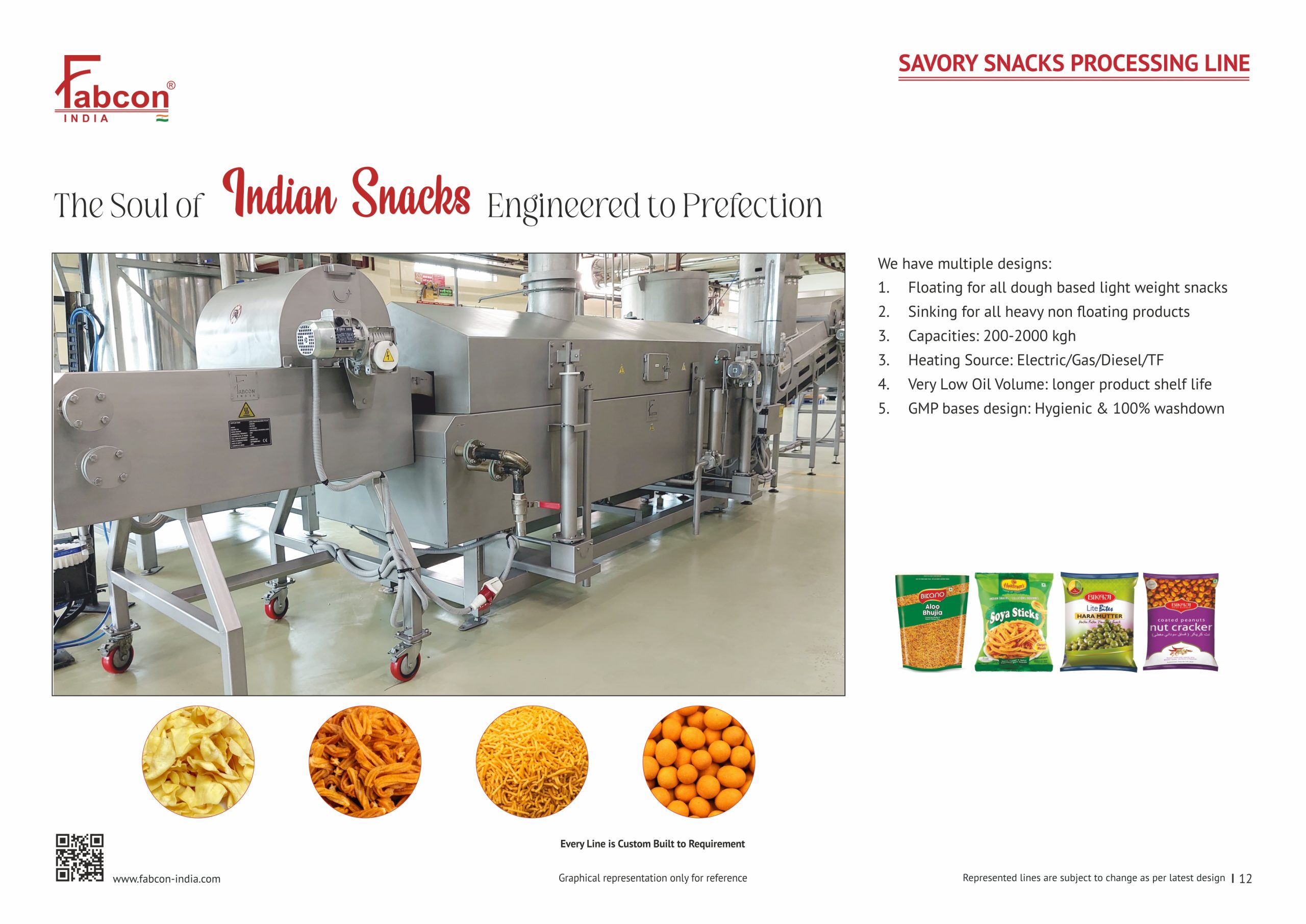
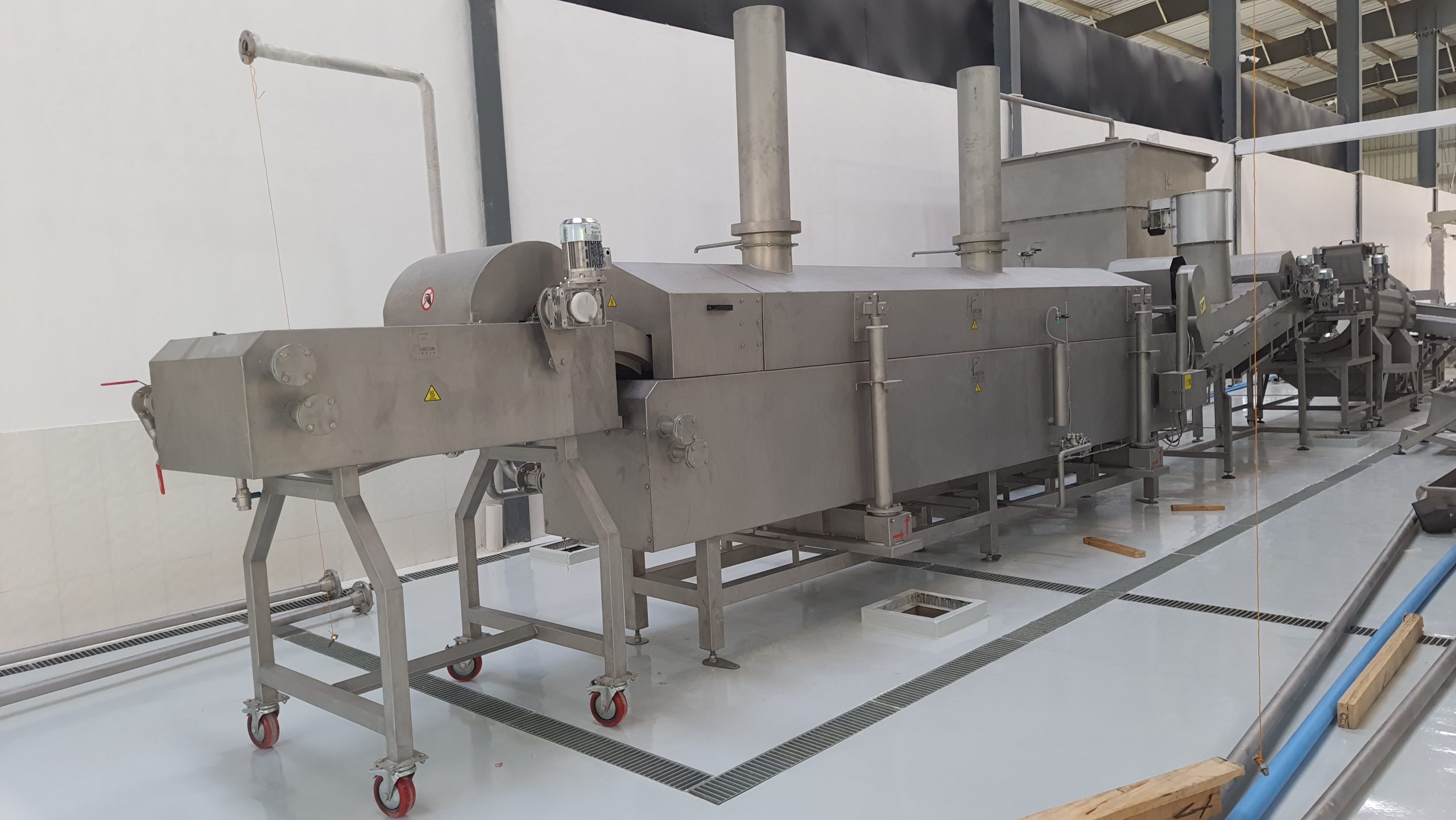
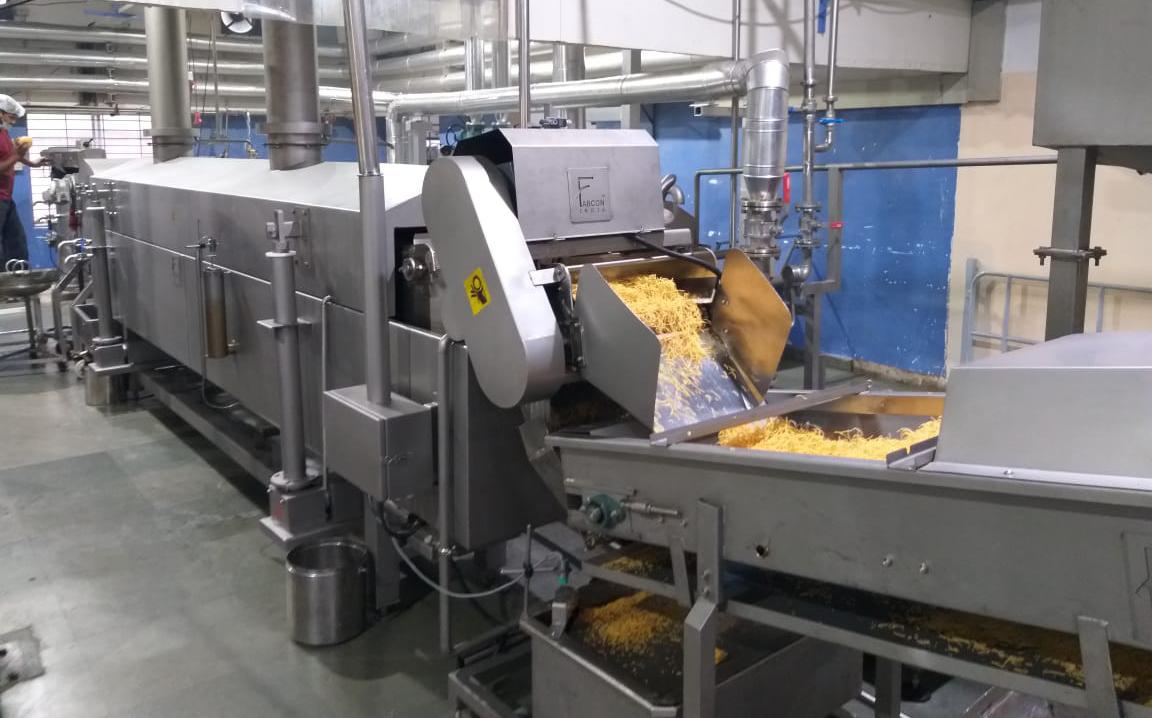
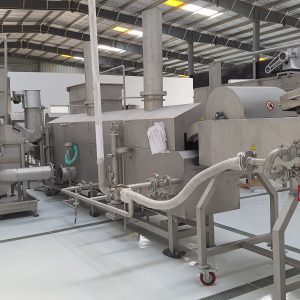
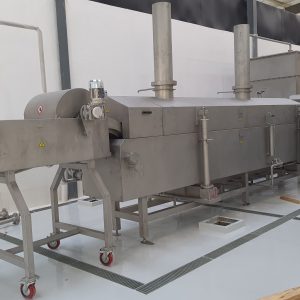

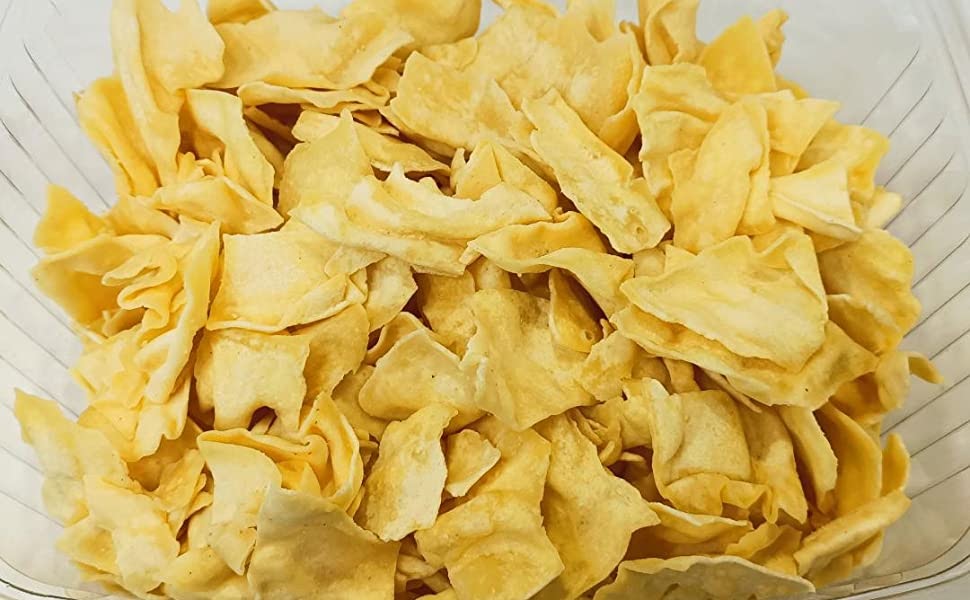
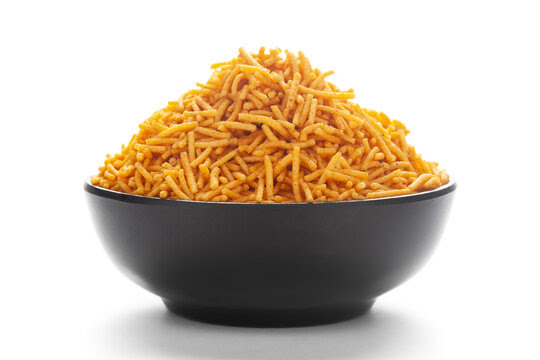
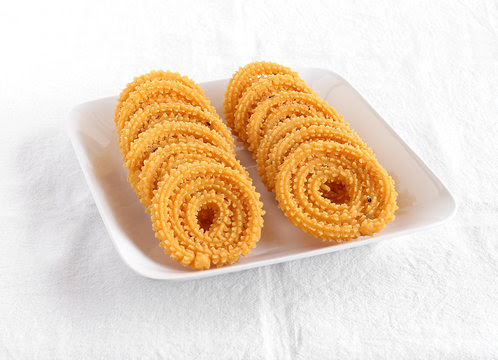
Fabcon India is the leading manufacturer of advanced snack processing machinery, which offers high-performance, Sev Bhujia Gathia Namkeen Fryer solutions. Designed with innovative frying technology and precision engineering, our namkeen frying systems help manufacturers to produce authentic Indian snacks. Traditional Indian snacks such as sev bhujiya, gathiya, aloo bhujiya, and soya sticks, continue to witness growing demands across domestic and international markets. To meet the large-scale production requirement while maintaining the authentic flavor and crunch, Fabcon India has developed a technologically advanced namkeen frying line that ensures uniform frying and controlled oil absorption.
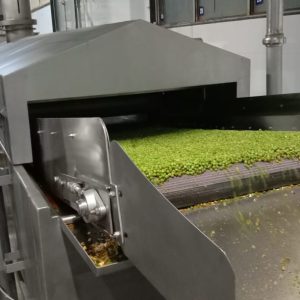
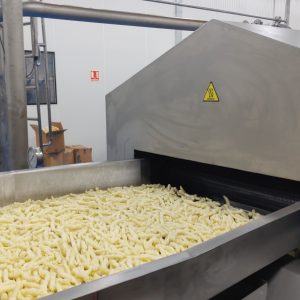
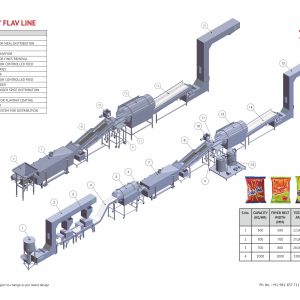
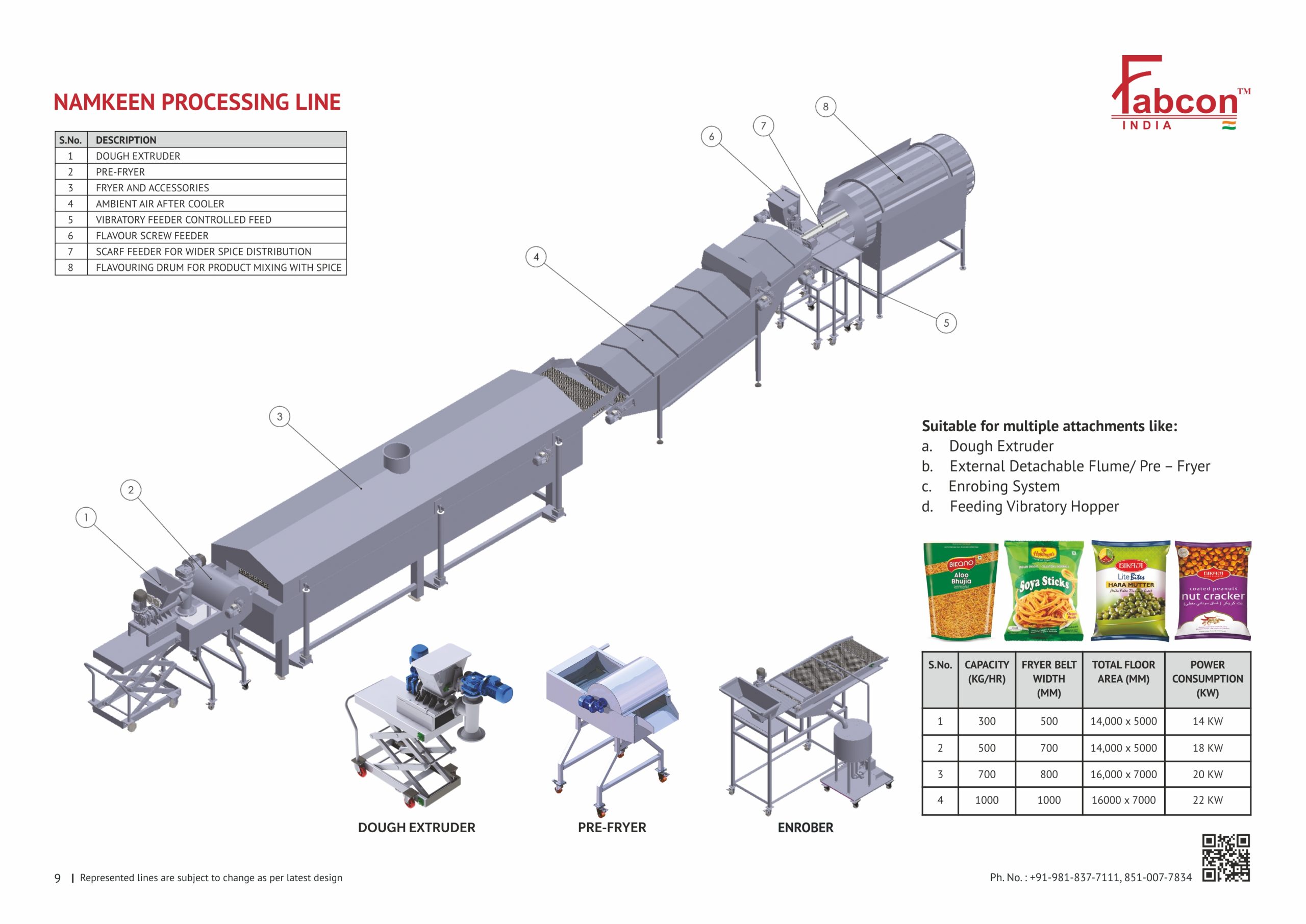
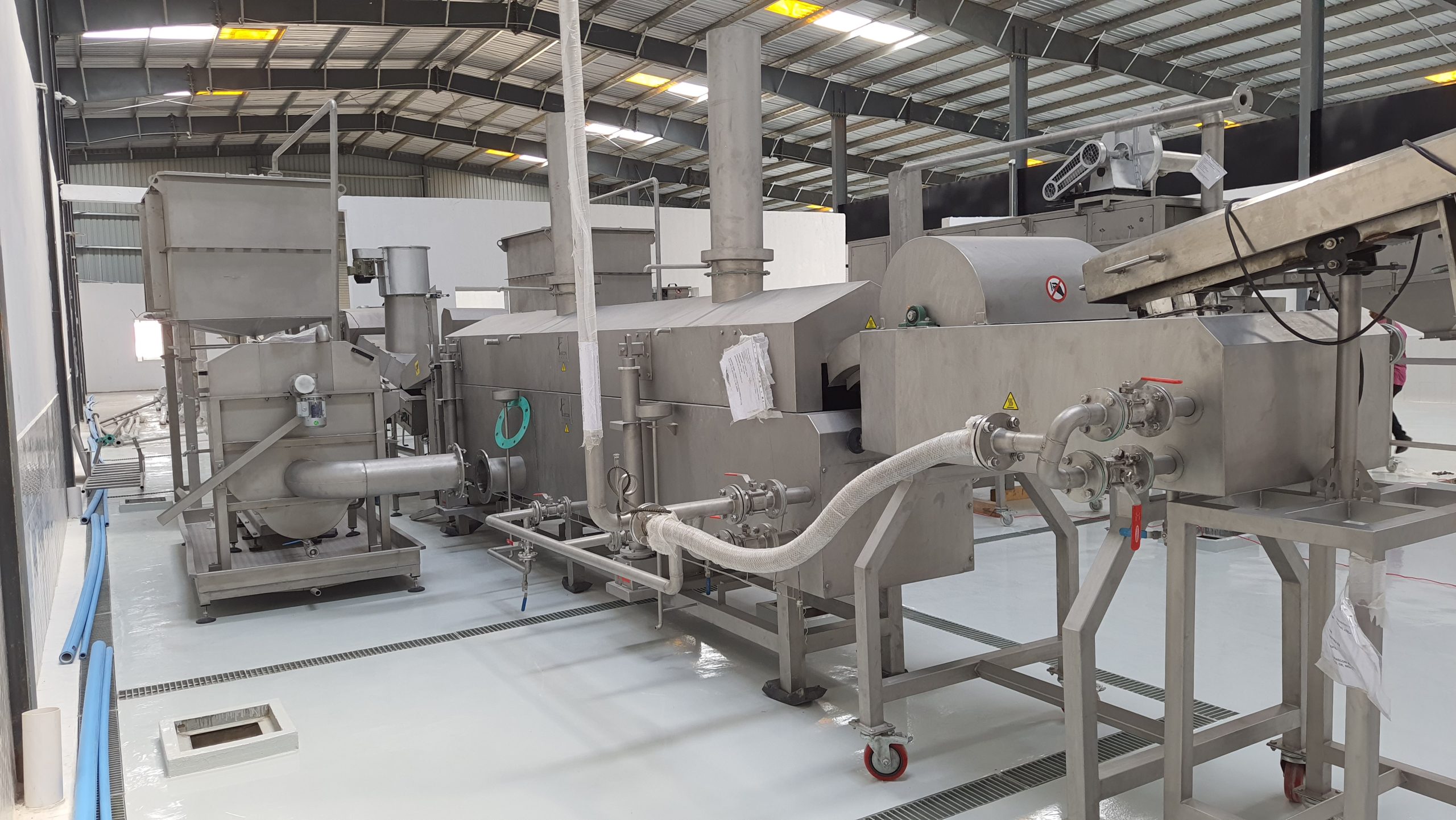
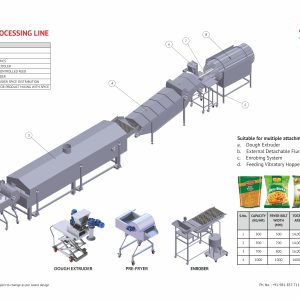
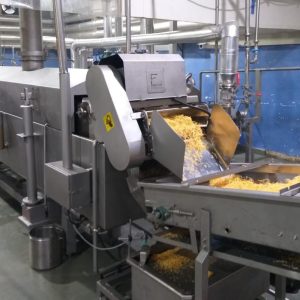
Our Sev Bhujia Gathia Namkeen Fryer is designed to provide continuous and hygienic frying operations with minimal manual intervention. The system includes pre-fryers, continuous fryers, deoiling conveyors, transfer conveyors, vibratory feeders, and flavouring systems. This all creates a complete automated solution for namkeen manufacturers. Each stage of the line is engineered to optimize production flow and reduce wastage.
The fryer is equipped with advanced temperature control systems and efficient oil circulation technology to ensure even frying of snacks. Uniform heat distribution helps to achieve the desired crispiness and colour in every batch. The integrated oil filtration system continuously removes the food particles and impurities from the oil, improving the oil’s life and maintaining superior product quality. The de-oiling conveyor further reduces the excess oil content, resulting in a healthier and less greasy product.
Fabcon India’s namkeen frying segments are manufactured using food-grade stainless steel and comply with international hygiene and food safety standards. These machines are easy to clean, energy efficient, and are designed for long operational service with low maintenance. The compact and modular designs allow easy installation and integration with seasoning systems. The key advantage of our Sev Bhujia Gathia Namkeen Fryer is its versatility. Manufacturers can process a wide range of traditional Indian snacks using the same frying system while maintaining product consistency and operational efficiency.
Gallery
Frequently Asked Questions(FAQs)
To start a Namkeen manufacturing business, you need a suitable production facility, raw materials, a Bhujia making system, frying equipment, seasoning and conveying systems, packaging machinery, and the required food-business approvals. The production line can be selected according to your target capacity and business requirements.
A typical Bhujia production line may include a dough preparation and mixing system, Bhujia sev extruder, forming and cutting system, fryer, de-oiling system, seasoning system, cooling conveyor, and packaging machine.
The cost depends on production capacity, automation level, machine configuration, frying system, and additional equipment. A customized quotation can be prepared according to your required production capacity and product specifications.
The production capacity depends on the machine configuration, product recipe, Bhujia size, frying conditions, and required output. Bhujia production lines can be designed for different production capacities based on your business requirements.
Bhujia can be made using ingredients such as gram flour, moth bean flour, spices, salt, edible oil, and other recipe-specific ingredients. The formulation can be customized according to the desired taste, texture, and product specification.
The general process includes raw material preparation, dough mixing, extrusion or forming, frying, de-oiling, seasoning, cooling, and packaging. Proper control at each stage helps achieve consistent shape, crispness, taste, and quality.
Crispiness depends on the recipe, dough consistency, extrusion, product thickness, frying temperature, frying time, and moisture control. Properly controlled processing helps achieve a consistent crispy texture.
Uniform frying requires consistent product feeding, controlled oil temperature, suitable frying time, and proper oil circulation. A continuous frying system can help maintain consistent colour, texture, and product quality.
Depending on the machine configuration and tooling, different Bhujia and Sev varieties can be produced. Different recipes, dies, and process settings can be used to achieve variations in size, shape, texture, and taste.
After frying and de-oiling, Bhujia can be passed through a seasoning system where spices and flavouring are distributed uniformly. This helps maintain consistent taste and seasoning coverage throughout the batch or production run.
Yes. Bhujia production lines can be designed with different levels of automation. Automated mixing, extrusion, frying, conveying, de-oiling, and seasoning can reduce manual handling and improve production consistency.
The manpower requirement depends on production capacity and automation level. A highly automated line can reduce manual intervention and improve operational efficiency.
The required space depends on production capacity and equipment configuration. Space may be required for raw material storage, dough preparation, production, frying, seasoning, cooling, packaging, finished-product storage, and utilities.
The total investment depends on production capacity, machinery configuration, automation level, factory infrastructure, utilities, packaging requirements, and other project costs. A project-specific estimate can help you plan your investment.
Oil consumption can be optimized through proper frying temperature control, efficient oil circulation, filtration, controlled product feeding, and effective de-oiling. Proper oil management also helps maintain consistent product quality.
Wastage can be reduced through accurate ingredient measurement, consistent dough preparation, controlled extrusion, precise frying, proper oil management, and efficient conveying. Automation can further improve process consistency and reduce production losses.
Yes, depending on the equipment configuration and product requirements. With suitable forming, frying, conveying, and seasoning arrangements, a production setup can be designed to handle multiple types of Namkeen products.
Yes. You can select a production capacity according to your initial market demand and investment plan. The plant can also be designed with future expansion in mind as your business grows.
Before purchasing, consider production capacity, product flexibility, automation level, frying performance, oil management, energy efficiency, hygienic construction, ease of cleaning, maintenance requirements, spare-parts availability, and after-sales support.
Fabcon India provides customized food-processing and conveying solutions for Namkeen manufacturers. The Bhujia production line can be configured according to your product requirements, production capacity, factory layout, automation needs, and future expansion plans.