
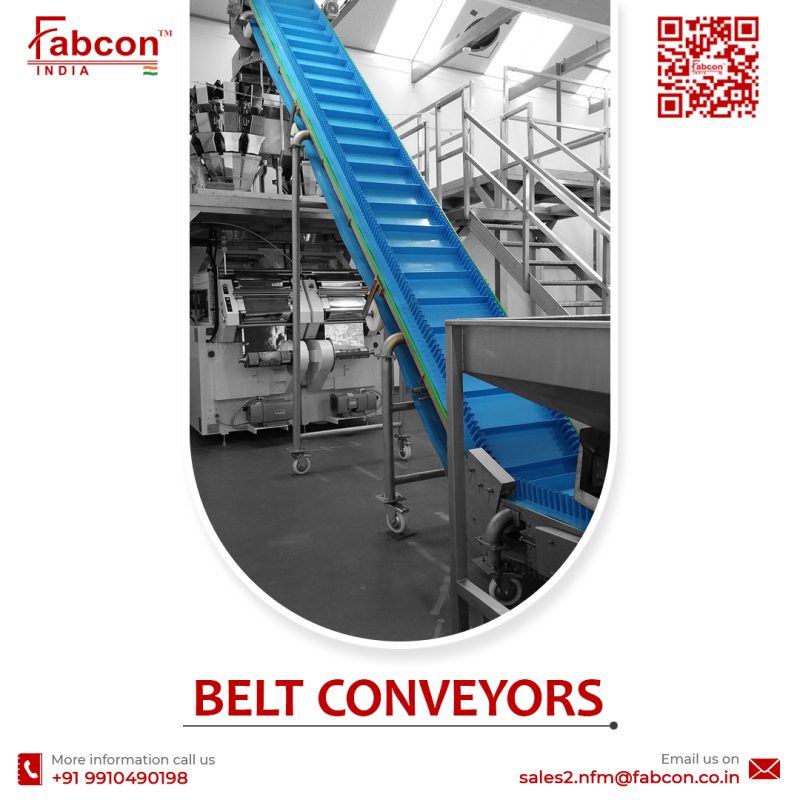
A belt conveyor is one of the most essential material handling systems used in the food processing industry. It is designed to transport food products and ingredients efficiently from one processing stage to another using a continuous moving belt. These conveyors help manufacturers improve productivity, maintain hygiene standards, and reduce manual handling.
In food processing plants, belt conveyors are commonly used for conveying snacks, bakery products, frozen foods, vegetables, fruits, meat products, and packaged items. The conveyor system typically consists of a motor-driven belt made from food-grade materials such as PVC, PU, or stainless steel-supported belts to ensure safety and cleanliness.
One of the biggest advantages of belt conveyors is their ability to provide smooth and gentle product handling. Delicate food items can be moved without damage, ensuring product quality remains intact. In addition, modern belt conveyors are designed for easy cleaning and sanitation, which is crucial for maintaining food safety standards.
Belt conveyors also help streamline automated production lines by connecting different machines such as fryers, seasoning systems, cooling conveyors, packaging machines, and inspection units. They can be customized in different lengths, widths, and speeds according to production requirements.
Another key benefit is operational efficiency. By reducing manual labor and improving product flow, belt conveyors help save time, minimize product wastage, and increase overall plant productivity.
In today’s competitive food industry, belt conveyors play a vital role in ensuring efficient, hygienic, and reliable food processing operations. They are an indispensable solution for modern food manufacturing facilities aiming for higher productivity and better product quality.
