
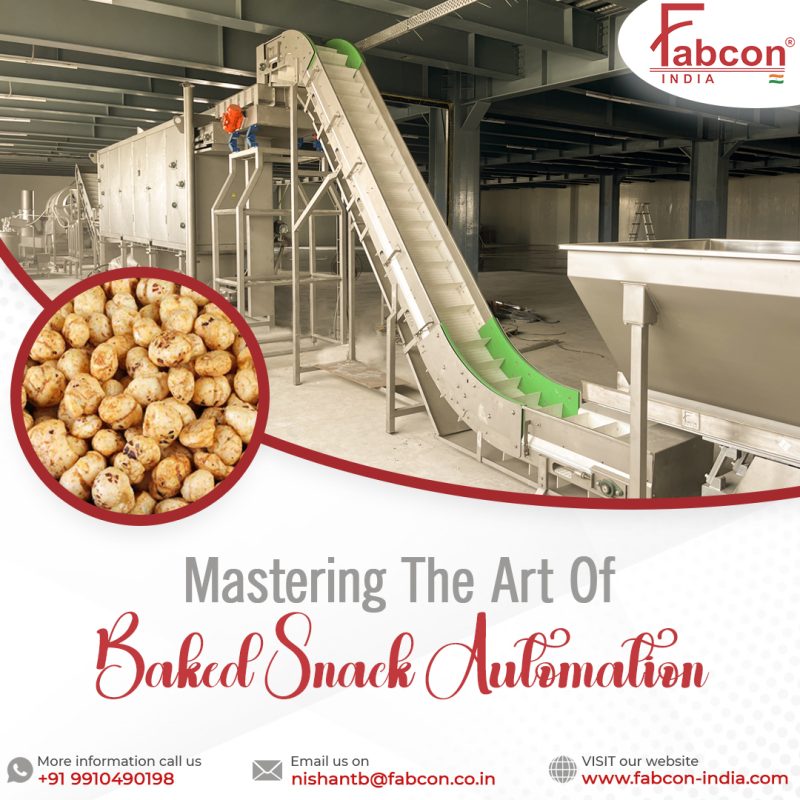
Introduction
Makhana, also known as Fox Nuts or Lotus Seeds, has become a popular snack choice among health-conscious consumers. From traditional roasted makhana to modern flavoured snacks, its growing popularity has created exciting opportunities for food manufacturers and entrepreneurs.
India is the world’s largest producer of makhana, with Bihar being one of its major production centres. The increasing demand for packaged and flavoured makhana is creating new opportunities in the food processing industry.
If you are planning to start a makhana processing business in India, this guide will help you understand the manufacturing process, required machinery and important business considerations.
1. Understand the Makhana Processing Business
Before starting, decide what type of makhana products you want to manufacture.
Some popular product options include:
- Plain Roasted Makhana
- Peri Peri Flavoured Makhana
- Cheese Flavoured Makhana
- Masala Makhana
- Salted Makhana
- Chocolate-Coated Makhana
- Makhana-Based Ready-to-Eat Snacks
Starting with a few products and gradually expanding your product range can be a practical business strategy.
2. Understand the Makhana Manufacturing Process
A commercial makhana processing unit involves several stages, depending on whether you are processing raw seeds or purchasing ready-to-pop makhana.
Step 1: Raw Material Procurement
Source good-quality raw makhana seeds or popped makhana from reliable suppliers. Quality raw material is essential for maintaining consistent product quality.
Step 2: Cleaning and Grading
Remove dust, impurities and unwanted materials. Grading helps separate makhana according to size and quality.
Step 3: Roasting and Popping
Raw makhana seeds undergo controlled roasting and popping to achieve the required texture and expansion. This stage requires suitable equipment and process control.
Step 4: Frying or Roasting
Depending on the product recipe, popped makhana can be roasted or fried to achieve the desired crispiness.
Step 5: Seasoning and Flavouring
Add different flavours such as cheese, peri peri, salt and masala using an appropriate seasoning system. Uniform seasoning helps maintain consistent taste in every batch.
Step 6: Cooling and Packaging
Allow the finished product to cool before packing. Suitable packaging helps protect the product from moisture and maintain freshness.
3. Essential Machinery for a Makhana Processing Plant
Choosing the right machinery is important for achieving consistent production, reducing manual handling and improving operational efficiency.
Depending on your manufacturing process, the machinery requirements may include:
- Makhana Cleaning and Grading Equipment
- Roasting Machine
- Frying System
- Oil Filtration System
- Seasoning System
- Dynamic Weighing System
- Material Handling Conveyors
- Cooling Conveyor
- Packaging Machine
The machinery selection depends on production capacity, product type, processing method and level of automation.
4. Why Automation Is Important in Makhana Manufacturing
Traditional food processing methods often involve manual operations. However, as production requirements increase, automation becomes important.
An automated processing line can help manufacturers achieve:
- Consistent Product Quality
- Uniform Seasoning Distribution
- Accurate Weighing
- Reduced Manual Handling
- Improved Production Efficiency
- Better Process Control
- Smooth Material Movement
With the right combination of processing and conveying equipment, manufacturers can develop an efficient production setup.
5. Investment Required to Start a Makhana Processing Business
The investment required depends on the scale and type of manufacturing unit.
Important cost factors include:
- Factory Space and Infrastructure
- Raw Material Procurement
- Processing Machinery
- Seasoning and Frying Equipment
- Packaging Machinery
- Labour and Utilities
- Marketing and Distribution
A small-scale unit and a fully automated commercial plant will have different investment requirements. Therefore, it is important to prepare a detailed project report based on your production target and product range.
Entrepreneurs can also explore applicable government support schemes, such as the PM Formalisation of Micro Food Processing Enterprises (PMFME) scheme, subject to current eligibility and scheme provisions.
6. Licences and Registrations Required
Before starting commercial food production, entrepreneurs should check the applicable registrations and approvals, including:
- FSSAI Registration or Licence, as applicable
- GST Registration, as applicable
- Business Registration
- Factory Licence, where applicable
- Local Trade and Pollution Control Approvals, where applicable
Always verify the latest regulatory requirements before starting operations.
7. Marketing Opportunities for Makhana Products
A successful makhana business requires both good manufacturing practices and effective marketing.
You can explore different sales channels:
- Supermarkets and Retail Stores
- Online Marketplaces
- E-commerce Platforms
- Distributors and Wholesalers
- Private Label Manufacturing
- Export Markets
Attractive packaging, consistent product quality and a strong brand identity can help your products reach more customers.
8. Choose the Right Food Processing Technology Partner
Starting a makhana processing business is not just about purchasing machinery. It is about developing a complete production setup that supports your business goals.
At Fabcon India, we provide food processing and conveying solutions designed around customer requirements.
Our expertise in industrial frying systems, seasoning technology, dynamic weighing and automated material handling helps food manufacturers develop efficient processing operations.
We focus on customized solutions, precision engineering and long-term customer support.
Conclusion
The makhana processing industry offers exciting opportunities for entrepreneurs and established food manufacturers. With the right raw materials, suitable machinery, proper process planning and effective marketing, businesses can develop a strong position in this growing snack segment.
Whether you are planning a small processing unit or a large-scale automated production line, choosing the right technology and equipment is an important step towards long-term success.
Planning to Start Your Makhana Processing Business?
Connect with Fabcon India for customized food processing, frying, seasoning and conveying solutions.
Fabcon India – Precision in Engineering. Excellence in Every Bite.
Website: https://www.fabcon-india.com
FAQs
Q1. Is makhana processing a profitable business in India?
Makhana processing offers business opportunities due to increasing consumer interest in healthy and flavoured snacks. Profitability depends on raw material costs, production efficiency, product quality and market demand.
Q2. Which machines are required for a makhana processing plant?
Depending on the process, machinery may include cleaning, grading, roasting, frying, seasoning, weighing, conveying and packaging equipment.
Q3. Can makhana be manufactured in different flavours?
Yes. Makhana can be developed in several flavours, including peri peri, cheese, masala and salted varieties using suitable seasoning technology.
Q4. Is automation necessary for makhana manufacturing?
Automation is not compulsory for every unit, but it can improve production consistency, reduce manual handling and support higher production requirements.
Q5. How can I start a commercial makhana manufacturing unit?
Start by selecting your product range, identifying raw material suppliers, estimating production capacity, preparing an investment plan and selecting suitable processing machinery. Obtain the required licences before starting commercial production.
